Wir sind davon überzeugt, dass Wissenschaft nie alleine steht, sondern sich immer in der Gesellschaft spiegelt und daher auch in deren Dienst und mit ihr gemeinsam entstehen soll. Gerade für unsere Themen, die sich mit dem sozialen Miteinander auf regionaler, nationaler sowie globaler Ebene beschäftigen und sich dabei ansehen, welches Handeln welche Auswirkungen hat und wie Technologien dieses Miteinander beeinflussen (sollen, dürfen, können), ist der Austausch mit der Politik und mit verschiedenen Institutionen essenziell. Daraus ergeben sich unsere Analysen und Empfehlungen – und es ist uns wichtig, dass diese auch bei den jeweiligen Stakeholder*innen ankommen.
Zu diesem Zweck arbeiten wir mit Partnerorganisationen, affiliierten Universitäten, Institutionen und Wissenschafter*innen. und orientieren uns an den Nachhaltigkeitszielen der Vereinten Nationen (SDGs) in all ihrer Vielfalt. Dabei sollen unsere Ergebnisse einerseits für die Entscheidungsträger*innen und andererseits für die Gesellschaft übersetzt und in der Folge debattiert werden.
Zwischenräume ist ein Projekt der Plattform für Nachhaltige Entwicklung (SDGs) an der Universität für Weiterbildung Krems.


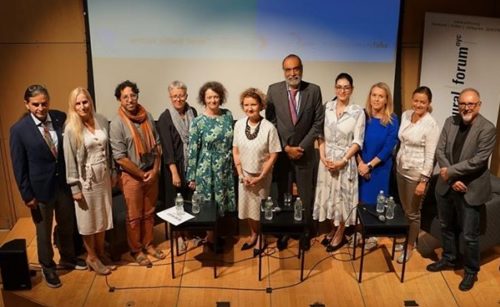
We congratulate the Austrian Institute for International Affairs (oiip) on their 45th anniversary.

On 5th June 2024 our cooperation partner, the Austrian Institute for International Affairs – oiip, celebrated their 45th anniversary at Vienna City Hall. Over the past 45 years, the institute has grown into Austria’s leading institution on international politics and a key player in policy-relevant research. As such, the Platform for Sustainable Development (SDGs) & Research Lab Society in Transition is proud to cooperate with the Austrian Institute for International Affairs in our key areas of science to policy communication and International and European Policy. This formal cooperation is just one of the signs of friendship between the University for Continuing Education Krems (UWK) and the Austrian Institute for International Affairs – oiip, which also works closely with a range of departments, including the Department for Migration and Globalisation.
Dr. Christina Hainzl, Head of the Platform for Sustainable Development & Research Lab Society in Transition congratulated the Austrian Institute for International Affairs on their 45th anniversary: “Today, against the backdrop of the complex global challenges with which policymakers are faced, bridging the gap between research and policy is more important than ever. Here, the Austrian Institute for International Affairs plays a key role, as it now has done for 45 years. We congratulate our cooperation partners on this important anniversary and look forward to celebrating many more milestones with them in coming years.”
Dr. Cengiz Günay, Director of the Austrian Institute for International Affairs, reflected on the anniversary and the cooperation: “The Austrian Institute for International Affairs – oiip has been an important platform for research and exchange on international relations and foreign policy. Our long-lasting cooperation with the University for Continuing Education Krems (UWK) and in particular the Platform for Sustainable Development and the Department for Migration and Globalisation is of great importance to our institute. The cooperation is a great example of how to unite forces, amplify research outputs and increase output that is of public interest.”
Contact: Dr. Christina Hainzl, (vCard)


Climate-induced migration and international law: Will the law ever catch up?

Ein Vortrag im Rahmen der Reihe “DEMIG Talks”
Die monatlichen, virtuell abgehalten Vorträge laden dazu ein, mehr über aktuelle Projekte im Bereich der Migrationsforschung zu erfahren. Beim nächsten Termin gehen die zwei Professoren Avidan Kent und Simon Behrman der Frage nach, inwieweit sich das Thema der klimabedingten Migration bereits im Internationalen Recht widerspiegelt. Wir würden uns freuen, Sie bei dieser (englischsprachigen) Online-Veranstaltung begrüßen zu dürfen.
Nachbericht | Podiumsdiskussion
Antisemitismus: Die alte-neue Gefahr vor den Europaparlamentswahlen
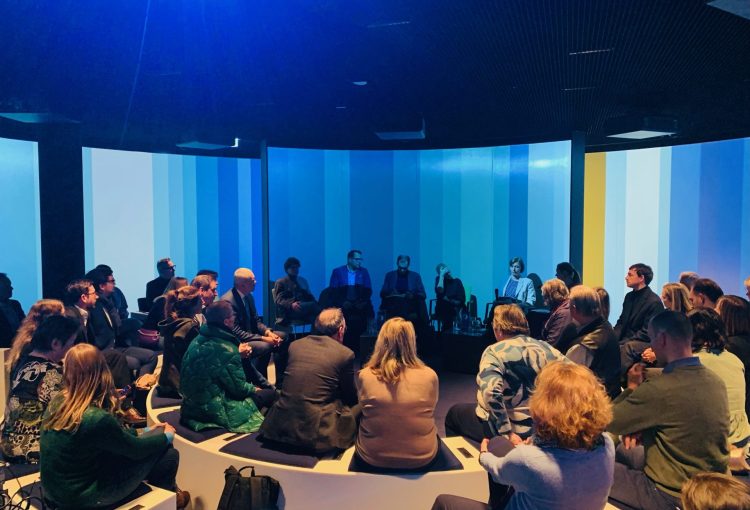
Am 30. Januar 2024 fand im Haus „Erlebnis Europa“ eine Podiumsdiskussion zum Thema „Antisemitismus – Die alte-neue Gefahr vor den Europaparlamentswahlen“ statt. Die Veranstaltung wurde vom Alumni-Club der Universität für Weiterbildung Krems in Kooperation mit der Plattform für Nachhaltige Entwicklung (SDGs) und dem Institut für den Donauraum und Mitteleuropa (IDM) organisiert.
Am „Internationalen Tag des Gedenkens an die Opfer des Holocaust“ am 27. Jänner gedachten wir Millionen Opfern der nationalsozialistischen Verfolgung. Doch während wir den jüdischen Opfern des Holocaust gedenken, beklagen jüdische Mitbürger_innen in der Gegenwart zunehmenden Antisemitismus. Insbesondere im Kontext der Terrorattacken gegen Israel und des Krieges im Gaza-Gebiet verstärkte sich der Antisemitismus in europäischen Staaten.
Die Kritik an der israelischen Regierung entartet in gewissen Kreisen in eine allgemeine Judenfeindlichkeit. In Österreich und Deutschland ist diese „Lagerbildung“ besonders problematisch aufgrund der historischen Verantwortung.
Weiters wurden auch Fragen nach den Ursachen für mangelnde Dialogfähigkeit und die damit einhergehende Radikalisierung thematisiert.
Weitere Details finden Sie: HIER
Buchvorstellung und Diskussion „Postkommunistische Regime und Mafiastaaten in Osteuropa: Beispiel Ungarn“
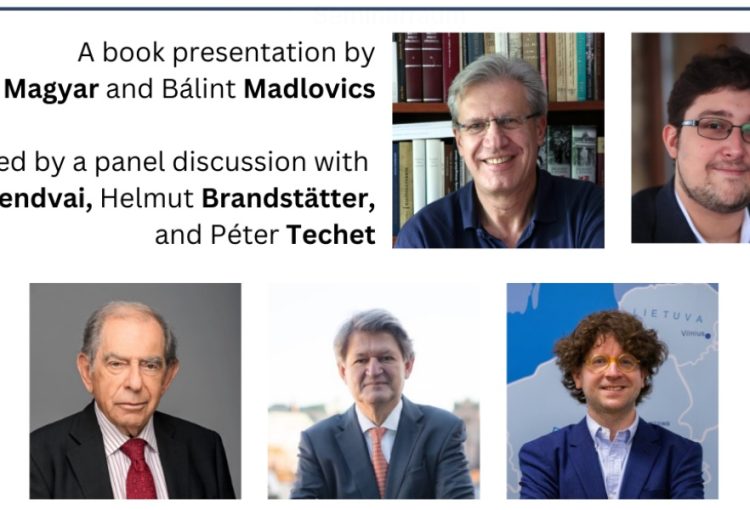
Wie lassen sich die „illiberalen Demokratien“ von Ostmittel- und Osteuropa beschreiben? Sind sie keine Demokratien mehr? Können aber Regime als „Diktaturen“ beschrieben werden, wo Wahlen stattfinden, Oppositionsparteien bestehen und eine gewisse Kritik gegenüber den Regierungen weiterhin möglich ist? Zählen aber die formellen Strukturen, wenn die informelle Macht nicht kontrolliert und nicht abwählbar ist?
Die ungarischen Soziologen Dr. Bálint Magyar und Mag. Bálint Madlovics (CEU Democracy Institute) veröffentlichten mehrere Bücher und Fallstudien in englischer, russischer, ukrainischer und ungarischer Sprache über die postkommunistischen Regime, in denen sich die informellen Machtstrukturen des Staates bemächtigten. Für ein breiteres, interessiertes Publikum fassten sie ihr theoretisches Konzept in 120 Thesen zusammen: Dieses Buch wurde 2023 auch ins Deutsche übersetzt (Bálint Magyar / Bálint Madlovics: Postkommunistische Regime. Akteure, Institutionen und Dynamiken, Springer Verlag, 2023).
In der englischsprachigen Veranstaltung wird das deutschsprachige Buch vorgestellt und in einer Podiumsdiskussion besprochen.
Wann: 14.02.2024, 10:00 – 12:30 Uhr
Wo: Hahngasse 6 / Mezzanin / Tür 17, 1090 Wien, Veranstaltung zusammen mit dem Institut für den Donauraum und Mitteleuropa (IDM)
Teilnehmer_innen:
- Dr. Helmut Brandstätter (Neos)
- Prof. Paul Lendvai (Osteuropaexperte, Kolumnist, „Der Standard“)
- Dr. Bálint Magyar (CEU Democracy Institute)
- Mag. Bálint Madlovics (CEU Democracy Institute)
- Dr. Barbara Tóth („Falter“)
- Dr. Dr. Peter Techet (Institut für den Donauraum und Mitteleuropa)
Weitere Details und Anmeldung: HIER
Eine Vorschau auf die Klimaverhandlungen bei FM4
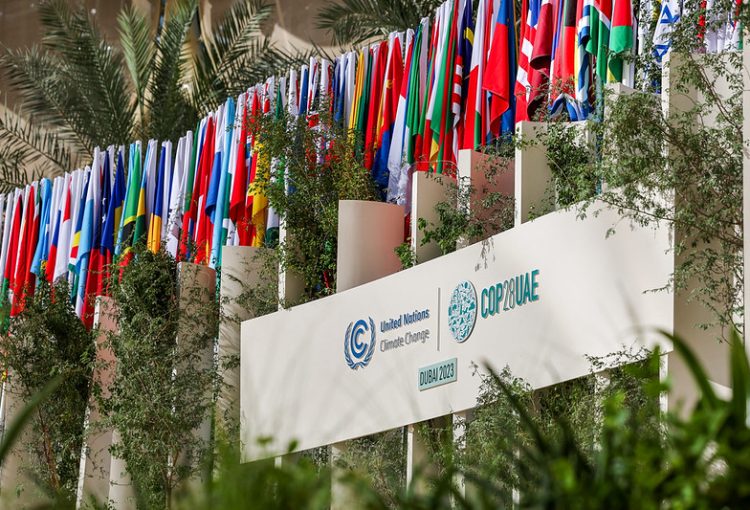
Dr. Sarah Louise Nash ist zu ihrer Rolle als Beobachterin bei den internationalen Klimaverhandlungen in Dubai und zu ihren Erwartungen von der Konferenz von Chris Cummins für FM4 interviewt worden. Die Sendung kann man online nachhören.
Photo credit: COP28/Mahmoud Khaled
Räume von Nachhaltigkeit in der Kunst
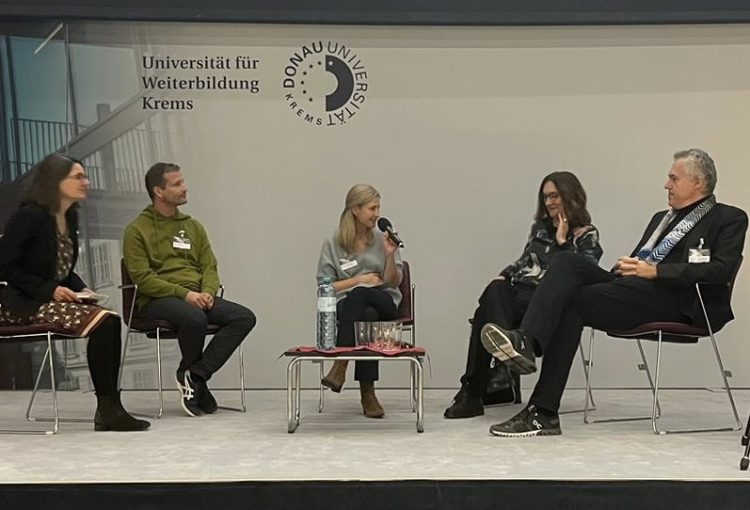
Eine Kooperation der Plattform für Nachhaltige Entwicklung (SDGs), des Departments für Kunst- und Kulturwissenschaften der Universität für Weiterbildung Krems und des Verbandes der österreichischen Kunsthistorikerinnen und Kunsthistoriker (VöKK).
Die „Ökologie und Nachhaltigkeit in Wissenschaft und Praxis“ wurden dabei in zwei Vorträgen von Dr. Christina Hainzl (Leiterin Plattform für Nachhaltige Entwicklung/SDGs) und MMag. Klaus Moser (operativer Geschäftsführer bei NÖ Festival und Kino GmbH und Nachhaltigkeitsbeauftragter), sowie in einer Podiumsdiskussion ausführlich besprochen und debattiert.
Dr. Christina Hainzl diskutierte Venedig als Biennale-Stadt, die sinnbildlich für Chancen und Herausforderungen im Bereich der Nachhaltigkeit stehe. Als Ort und Katalysator für neue Ideen und gleichzeitig Inbegriff für Zerstörung und Fragilität wird Venedig für Künstler_innen, die zum Thema Nachhaltigkeit Stellung beziehen, ein fruchtbarer Boden. Dabei verwies die Vortragende darauf, dass der Begriff Nachhaltigkeit in aktuellen Debatten zu häufig ausschließlich auf den ökologischen Aspekt reduziert wird und die Sustainable Development Goals (SDGs) vernachlässigt werden. Es brauche eine triple transformation: green, digital, social. Das Mitte der 80er Jahre begonnene und unvollendete Projekt Venezia muore vom venezianischen Künstler Emilio Vedóva, das unter anderem von der Natur und Verschmutzung verweste Bootsteile aus der Lagune Venedigs aufnahm, diente als künstlerisches Exempel. Einen wichtigen Beitrag zur Nachhaltigkeit in all ihren Dimensionen könnten auch die auf Biennalen präsenten privaten Sammler_innen leisten, denn ihnen komme eine bedeutende Rolle zu Bedingungen zu stellen. Die UBS & Art Basel Studie 2022 zeigte, dass Sammler_innen zunehmend die Wichtigkeit eines nachhaltig funktionierenden Kunstmarkts begreifen und nachhaltigere Optionen für ihren Kunstkauf zumindest in Erwägung ziehen.
MMag. Klaus Moser stellte im zweiten Vortrag die Nachhaltigkeitsstrategie der rund 40 Marken in 15 Veranstaltungs- und Museumsbetrieben Niederösterreichs, die zur NÖKU-Gruppe zählen, vor. Der 2020 eingeführte NÖKU-Nachhaltigkeitsstandard gelte als Leitfaden für die jeweiligen Betriebe und ist an die 17 SDGs angelehnt. Dabei gehe es um die nachhaltige Gestaltung der wesentlichen Aktivitätsbereiche von Veranstaltungen und Ausstellungen: Veranstaltungsort, Technik, Kommunikation, Soziales, Mobilität, Gastronomie/Catering, Unterkunft und Beschaffung/Abfallwirtschaft. Der Nachhaltigkeitsstandard beinhalte außerdem die nachhaltige Führung der Betriebsstandorte und auf Holdingebene die gemeinsamen Beschaffungsprozesse, Mitarbeiter_innenpolitik, Steuerung und Evaluierung, sowie Öffentlichkeitsarbeit. Jeder Betrieb habe zudem einen Nachhaltigkeitsbeauftragten ernannt. Als Beispiel für die Umsetzung der Nachhaltigkeit führte der Vortragende den Klangraum Krems in der Minoritenkirche an. Hier wurde beispielsweise auf ein nachhaltigeres und effizienteres Heizsystem und LED-Beleuchtung umgestellt.
In der anschließenden Podiumsdiskussion leitete Dr. Christina Hainzl als Moderatorin einen angeregten Austausch zwischen Botschafter DDr. Christoph Thun-Hohenstein (Sektionsleiter Internationale Kulturangelegenheiten, BMEIA), Mag. Gabriele Spindler (Leiterin Kunst- und Kulturwissenschaften der OÖ Landes-Kultur GmbH), Mag. Jochen Höller (freischaffender Künstler), Univ.-Prof. Dr. Anja Grebe (Professorin für Kulturgeschichte und museale Sammlungswissenschaften, UWK) und dem Publikum.
Botschafter DDr. Thun-Hohenstein plädierte dafür, neue Bezeichnungen und Formulierungen für die SDGs und den Nachhaltigkeitsdiskurs zu finden. Es solle ein neues Narrativ der Regeneration an die Stelle des Nachhaltigkeitsnarrativ treten und der Erde mehr zurückgegeben werden als von ihr extrahiert. Er wünscht sich außerdem eine Programmgestaltung der Kulturinstitutionen, die vermehrt unsere Lebensgrundlagen und neueste technische Entwicklungen, wie die künstliche Intelligenz, ins Zentrum ihres Interesses stellt. Botschafter DDr. Thun-Hohenstein forderte außerdem Kunstschaffende dazu auf, einerseits auf der Höhe ihrer Zeit zu agieren und diese wichtigen Themen zu bearbeiten und andererseits die Zusammenarbeit mit Wissenschaftler_innen zu suchen. Mag. Spindler sprach sich als Verantwortliche für die Sammlungen der Kunst- und Kulturwissenschaften der OÖ Landes-Kultur GmbH dafür aus die Energiemengen für Depoträume zu reduzieren und überflüssige Transportwege zu unterlassen. Als Kuratorin ist Mag. Spindler für den österreichischen Beitrag auf der Biennale 2024 verantwortlich. Für das neu eingeführte Bewerbungsverfahren in Österreich musste sie ein Nachhaltigkeitskonzept vorlegen, das im Falle ihrer Bewerbung zum Beispiel die Anreise mit dem Zug, die Verwendung recyclebarer Materialien und die Zusammenarbeit lokaler Betriebe beinhaltete. Die 2024 ausstellende Künstlerin Anna Jermolaewa beschäftigt sich bei der Biennale mit Sprache und Ausdrucksformen des gewaltfreien Widerstands und setzt sich für Frieden und somit dem SDG 17 (Frieden, Gerechtigkeit und starke Institutionen) ein.
Mag. Jochen Höller bemerkte, dass der Nachhaltigkeitsbegriff zunehmend verwässert wird durch Marketing und Halbwahrheiten. Deshalb hält er es für bedeutsam, dass Nachhaltigkeit im künstlerischen Kontext erörtert wird und in der Gesellschaft als handlungsleitendes Prinzip gilt. Kindern müsse schon in der Volksschule beigebracht werden, wie ein nachhaltiges Leben geführt werden kann. In seinem persönlichen Schaffen verwendet er Bücher als Material für seine konzeptuellen Textcollagen und Skulpturen. In Büchern stehe schon alles geschrieben, was wir brauchen, um gesellschaftlich gut zusammenleben zu können. Univ.-Prof. Dr. Grebe benannte die Aufgaben der Universitäten im Nachhaltigkeitsdiskurs. Diese müssten eine klare Datenlage schaffen und Erhebungen durchführen. Nicht zu vernachlässigen sei außerdem der Dialog nach außen mit der Öffentlichkeit und der trans- und interdisziplinäre Austausch innerhalb der Universitätsstrukturen. Wissenschaftliche Äußerungen müssten die Dinge präzise benennen und klare Definitionen vorgeben.
Die anschließende Diskussion mit dem Publikum brachte die Diskrepanz im Umgang mit der Nachhaltigkeitsthematik zwischen dem Westen und dem Globalen Süden einerseits und deren Verflechtungen andererseits auf. Die Debatte verdeutlichte, dass die großen Zusammenhänge wichtig sind. Die Probleme dürfen nicht monokausal und örtlich oder zeitlich begrenzt gesehen werden. Die Umsetzung aller SDGs auf allen Erdteilen muss nach wie vor angestrebt werden. Dabei muss bedacht werden, dass nicht nur der Wille der sehr vielen und unterschiedlichen Akteur_innen, sondern auch die Möglichkeit zur Transformation gegeben sein muss. Die persönliche Verantwortung des einzelnen Menschen wurde ganz am Schluss verhandelt. Die gemeinsame Veranstaltung der Plattform für nachhaltige Entwicklung (SDGs) und des Verbands österreichischer Kunsthistoriker und Kunsthistorikerinnen (VöKK) endete mit dem Appell die eigenen routinemäßigen Handlungen auf ihre Nachhaltigkeit und Umweltverträglichkeit hin zu überprüfen.
Brainstorming-Report “Voices of Culture”
Der Brainstorming-Report von “Voices of Culture” zum Thema “Culture and Creative Sectors and Industries driving Green Transition and facing the Energy Crisis”, wurde veröffentlicht. Der Report spiegelt die Diskussionen und Empfehlungen zu diesem Thema wider, die von Experten aus ganz Europa eingebracht wurden. Auch die Universität für Weiterbildung Krems nahm mit Dr. Olga Kolokytha teil.
Details dazu finden Sie HIER!
Räume von Nachhaltigkeit in der Kunst
Eine Kooperation der Plattform für Nachhaltige Entwicklung (SDGs), des Departments für Kunst- und Kulturwissenschaften der Universität für Weiterbildung Krems und des Verbandes der österreichischen Kunsthistorikerinnen und Kunsthistoriker (VöKK).
Der Themenschwerpunkt Nachhaltigkeit ist dieser Tage wohl aktueller denn je. Zugleich ist der Begriff wenig konkret und wird vielfältig eingesetzt. Der sozial-ökologische Wandel hat viele Akteur_innen – die Wirtschaft, die Politik, die Zivilgesellschaft. Aber auch Kunst, Architektur und die künstlerischen Arbeitsfelder müssen sich immer mehr kritisch mit Fragestellungen bezüglich Ressourcenschonung und Nachhaltigkeit auseinandersetzen – angefangen mit der Frage des langfristigen Erhalts der Kunstwerke vor dem Hintergrund des Klimawandels über die Sinnhaftigkeit des globalen Ausstellungsbetriebs bis hin zu neuen Möglichkeiten der Zugänglichmachung und Vermittlung, etwa durch die Digitalisierung. Doch welchen Beitrag können Kunst und ebenso Kunsthistoriker_innen , Künstler_innen, Architekten_innen, Kunstuniversitäten, Museen, Galerien und Sammlungen konkret hierfür leisten? Mit welchen Schwierigkeiten sind sie dabei konfrontiert? Welche Aspekte neben der vordringlichen ökologischen Frage werden zu nachhaltiger Entwicklung nach wie vor zu wenig beachtet?
Details zur Veranstaltung am 05. November 2023 in Krems finden Sie HIER!
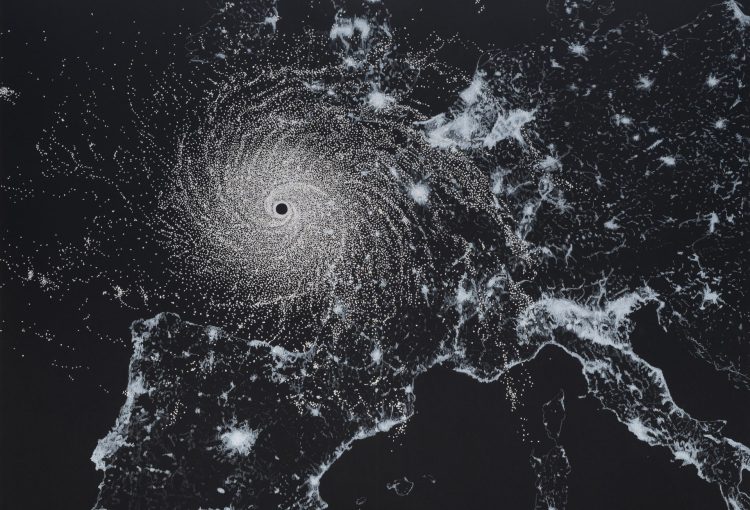
Bildrechte: Jochen Höller, „Before the Hurricane“, Collage/Zeichnung, 2023; Foto: © Simon Veres, Bildrecht 2023
Nachhaltigkeitstag der Universität
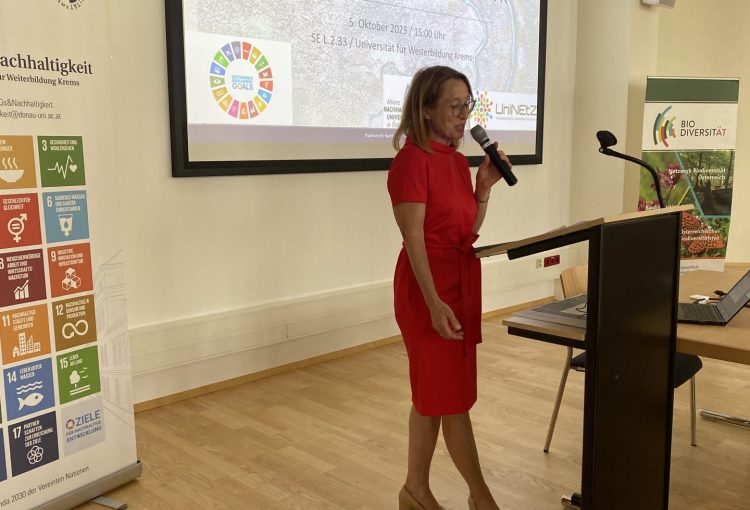
Am 5. Oktober 2023 fand der Nachhaltigkeitstag der Universität für Weiterbildung Krems statt. Im Zentrum der Veranstaltung standen drei Fachvorträge aus den drei Fakultäten der UWK.
Nach einer Begrüßung durch Vizerektorin Univ.-Prof. Dr. Viktoria Weber eröffnete Dekan Univ.-Prof. Dr. Gerald Steiner den inhaltlichen Teil der Veranstaltung mit einem Vortrag zu „Transdisziplinarität und Nachhaltige Entwicklung“. Dabei beleuchtete er die Komplexität und die Notwendigkeit einer systemischen Betrachtung anhand des Beispiels einer Tasse Kaffee und den damit verbundenen Ressourcenverbrauch. Schließlich hob er die Bedeutung der Transdisziplinarität als Unterstützungsinstrument für eine nachhaltige Entwicklung hervor.
Weiter wies Univ.-Prof. Dr. Martin Kainz in seinem Vortrag „Fischteiche als Hotspots der Nachhaltigkeit und Biodiversität“ auf das Artensterben und die Folgen für die Ökosysteme hin und legte die Bedeutung der Biodiversität für uns Menschen dar. Obwohl generell die Auswirkung des Menschen auf die Biodiversität, wie etwa die drastische Reduktion von Vögeln und Insekten als negativ einzustufen ist, hob Prof. Kainz die Bedeutung „menschengemachter“ Fischteiche wie etwa im niederösterreichischen Waldviertel und in der Steiermark für das regionale Insektenvorkommen hervor.
Anschließend analysierte Univ.-Prof. Dr. Anja Grebe die Rolle von Museen und Sammlungen hinsichtlich Nachhaltigkeit. In ihrem Vortrag betonte sie einerseits die Nachhaltigkeit von Museen per se, welche die Bewahrung von wertvollem Kulturgut sicherstellen, andererseits können Museen mit Bildungsangeboten, künstlerischen Praktiken und Diskursformaten den Blick der Besucher_innen auf Nachhaltigkeitsaspekte lenken.
Im Anschluss an die drei Fachvorträge und die lebhaften Diskussionen setzte sich das Programm mit der Verleihung des Nachhaltigkeitspreises der UWK fort. Dieser wurde dieses Jahr in Form eines „Best Paper Awards“ ausgeschrieben. Viele Forscher_innen reichten nachhaltigkeitsbezogene und transformative Artikel ein, welche von einer externen Jury geprüft wurden. Mit dem Award wurde schließlich Frau Mag. Ursula Griebler, PhD MPH ausgezeichnet, welche das H2NEO Wasserschulen Programm des Landes Niederösterreich evaluiert und dazu einen Artikel in der Fachzeitschrift Public Health Nutrition veröffentlich hatte.
Die Veranstaltung wurde von einer Duftinstallation des Künstlerduos Müller-Divjak begleitet. Die „Austrian Democracy Lab Fragrance Edition“ adressiert gesellschaftliche Herausforderungen unserer Zeit. Ein Get Together hat die Veranstaltung abgerundet und Platz für fachlichen und informellen Austausch zu den Themen des Tages geboten.
Jährlicher Nachhaltigkeitstag der Universität für Weiterbildung Krems 2023
Am 5. Oktober 2023 findet der Nachhaltigkeitstag auf der UWK statt. Dabei werden ausgewählte Forschungsprojekte aller Fakultäten zu nachhaltiger Entwicklung vorgestellt und diskutiert. Zunächst wird Prof. Gerald Steiner über den Zusammenhang von Transdisziplinarität und nachhaltiger Entwicklung sprechen. Anschließend wird Prof. Martin Kainz die Besonderheit der österreichischen Fischteiche als Hotspot der Nachhaltigkeit und Biodiversität herausheben. Schließlich wird Prof. Anja Grebe über Kulturen der Nachhaltigkeit in Museen und Sammlungen referieren.
Im Rahmen der Veranstaltung wird der Nachhaltigkeitspreis, der „Impactathon 2023“ verliehen, dieses Jahr ergeht der begehrte Preis an die Autoren der besten Veröffentlichung von Forschungsergebnissen (Best-paper-award). Die Auswahl wird von einer externen, renommierten Jury durchgeführt.
Die Veranstaltung wird von einer Duftinstallation des Künstlerduos Müller-Dvijak begleitet. Dabei handelt es sich um im Rahmen des Projekts „Austrian Democracy Lab Fragrance Edition“ entwickelte Düfte, bei welchen gesellschaftliche Herausforderungen adressiert und olfaktorisch erlebbar gemacht wurden.
Wir ersuchen um Anmeldung zu dieser Veranstaltung bis zum 02.10.2023 unter
Eine weitere Nachhaltigkeitsaktivität der UWK an diesem Tag ist die Veranstaltung „Europa auf der Spur – Gemeinsam für eine grüne Zukunft“, welche Schülerinnen und Schülern „grüne“ europäische Projekte in Krems spielerisch mittels Actionbound präsentiert und dabei auch das neue Interreg-Projekt „PopUpUrbanSpaces“ für eine grünere städtische Mobilität vorstellt.
Krieg & Frieden. Politische Bildung im Spannungsfeld
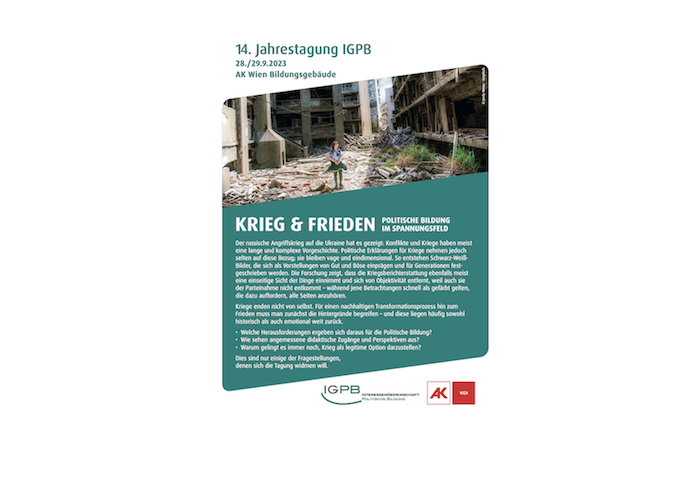
IGPB-Tagung am 28./29. September in Wien.
Die politische Bildung ist spätestens seit Beginn des Angriffskrieges Russlands auf die Ukraine mit er Frage beschäftigt, wie man die Hintergründe erklären kann, wie man mit Manipulationen (etwa in den Social Media aber auch in den Mainstream-Medien) umgeht und wie es möglich ist, den Diskurs hin zu Frieden offen zu halten. Daher hat sich die Interessengemeinschaft Politische Bildung (IGPB) entschlossen, ihre Jahrestagung diesem Thema zu widmen.
Die Eröffnungs-Keynote am 28. September wird UWK-Mitarbeiterin Daniela Ingruber halten.
Die Tagung findet im Bildungsgebäude der AK Wien (Theresianumgasse 16–18, 1040 Wien) statt.
Näheres zum Programm und zur Anmeldung finden Sie hier.
Zum Inhalt der Tagung:
Der russische Angriffskrieg auf die Ukraine hat es gezeigt: Konflikte und Kriege haben meist eine lange und komplexe Vorgeschichte. Politische Erklärungen für Kriege nehmen jedoch selten auf diese Bezug; sie bleiben vage und eindimensional. So entstehen Schwarz-Weiß-Bilder, die sich als Vorstellungen von Gut und Böse einprägen und für Generationen festgeschrieben werden. Die Forschung zeigt, dass die Kriegsberichtberichterstattung ebenfalls meist eine einseitige Sicht der Dinge einnimmt und sich von Objektivität entfernt, weil auch sie der Parteinahme nicht entkommt – während jene Betrachtungen schnell als gefärbt gelten, die dazu auffordern, alle Seiten anzuhören.
Kriege enden nicht von selbst. Für einen nachhaltigen Transformationsprozess hin zum Frieden muss man zunächst die Hintergründe begreifen – und diese liegen häufig sowohl historisch als auch emotional weit zurück.
Europa auf der Spur
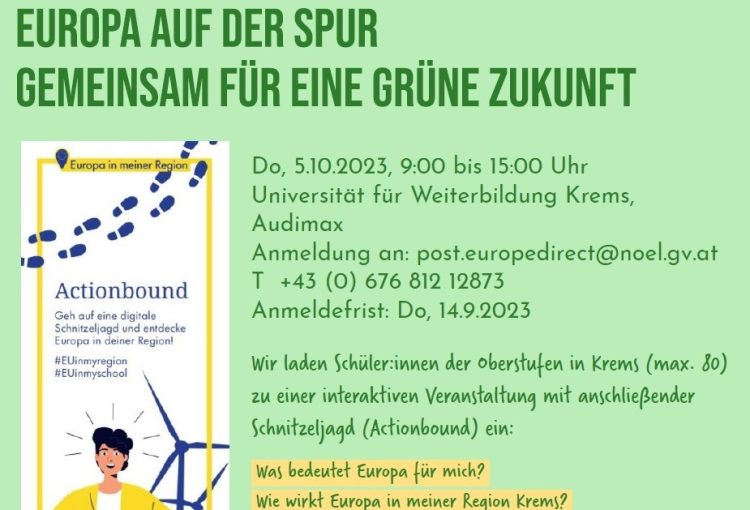
Gemeinsam für eine grüne Zukunft
Was bedeutet Europa für mich?
Wie wirkt Europa in meiner Region Krems?
Wie sorgen EU-finanzierte Projekte in meinem Umfeld für mehr Nachhaltigkeit?
Und wie kann ich mich selbst für Europa und eine grüne Zukunft engagieren?
Im Rahmen eines World Cafés können Schüler:innen mit Expert:innen und Projektverantwortlichen über genau diese Fragen diskutieren und ihre Meinung einbringen. Anschließend begeben sich die Jugendlichen in Gruppen auf eine Schnitzeljagd durch Krems und lernen spielerische nachhaltige EU-Projekte kennen.
Do, 5.10.2023, 9.00-15.00 Uhr
Universität für Weiterbildung Krems, Audimax
Anmeldung an: , +43 (0) 676 / 812 128 73
Anmeldefrist: Do, 14.9.2023
Einladung Europa auf der Spur | Details zur Veranstaltung HIER!
Religionen und die Zukunft der Welt
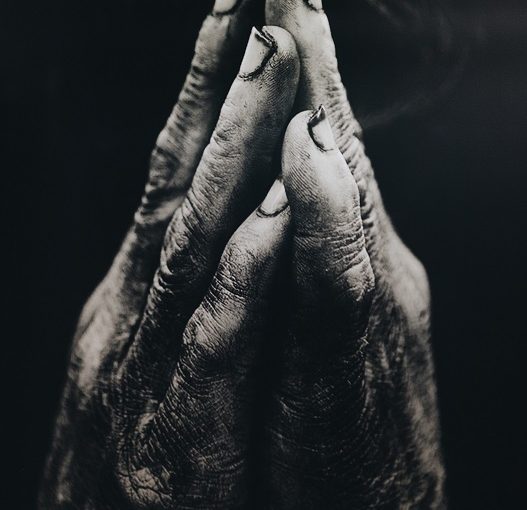
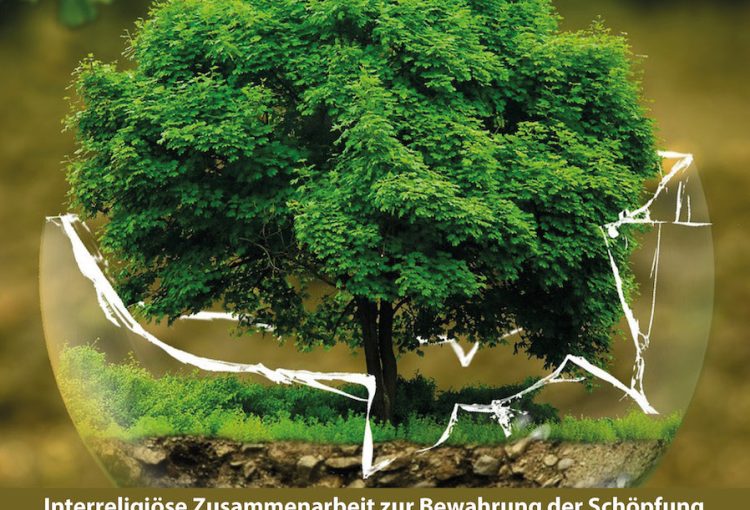
Interreligiöse Zusammenarbeit zum Erhalt der Biodiversität
Wir leben in einer „taumelnden Welt“ (Bill McKibben). Die globalen Krisen überlagern und verstärken sich, wie vor allem die Klimakrise und das Artensterben, und gefährden langfristig die Bewohnbarkeit der Erde. Das ist auch der Grund, warum Ernst Fürlinger Brücken zwischen den Religionen und der weltweiten Bemühung um Klimagerechtigkeit bauen möchte. Er geht in verschiedenen Seminaren und Publikationen mit Vertreter*innen weltanschaulicher Herkunft diesem Thema nach. In seinem Buch „Handwerker der Hoffnung“ zeigt er anhand des katholischen Oberhauptes, Papst Franziskus, wie dieser den interreligiösen Dialog für die Themen Frieden, soziale Gerechtigkeit und Bewahrung der Erde nützt.
Ernst Fürlinger, katholischer Theologe und Religionswissenschaftler, ist wissenschaftlicher Mitarbeiter an der Universität für Weiterbildung Krems und engagiert sich seit 1986 für den interreligiösen Dialog, seit 2019 im Rahmen von „Religions For Future“. Er leitet derzeit die Lehrgänge „Klimagerechtigkeit“ sowie „Akademie der Transformation“ der Universität Krems. Veröffentlichungen u.a. zur interreligiösen Hermeneutik, Moscheebaukonflikten in Österreich, Islam und religiöser Pluralismus.
Datum: Mittwoch, 27. September 2023
Uhrzeit: 19.00 Uhr
Ort: Stiftungssaal I Universität Klagenfurt
Anmeldung:
Foto der gefalteten Hände: Nathan Dumlao auf Unsplash
Science Diplomacy in Times of Global Crises
Science Diplomacy ist eines der wesentlichen Themen der Plattform Nachhaltige Entwicklung. In Zusammenarbeit mit dem Österreichischen Kulturforum, dem ZSI u.a. organisiert die Universität für Weiterbildung Krems nun ein zweitägiges Symposium zu diesem Thema in New York.
Das Programm und weitere Informationen finden Sie hier.
Radparade in Krems am 22. September
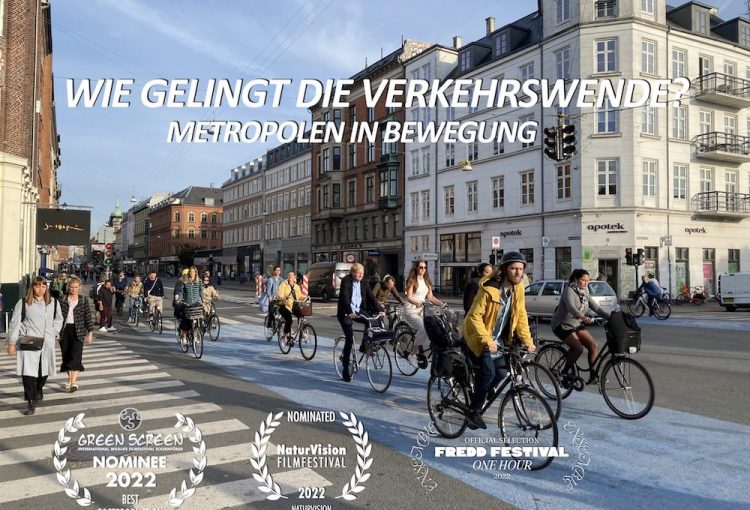
Die Universität für Weiterbildung Krems lädt gemeinsam mit der Radlobby Krems und dem Kino im Kesselhaus zu einer Radparade am 22. September um 17:00 Uhr mit Start und Ziel direkt am Campus Krems ein.
Anschließend findet eine Filmvorführung im Kino im Kesselhaus samt Podiumsdiskussion statt. Wie gelingt die Verkehrswende? Metropolen in Bewegung (Regie: Johan von Mirbach, DE 2022, 52 Min).
Berlin, Paris, Barcelona, Kopenhagen, Singapur: In vielen Großstädten existieren bereits zukunftsweisende Mobilitäts- und Stadtplanungskonzepte, die nicht mehr das Auto, sondern die Bedürfnisse und das Wohlbefinden ihrer Bewohnerinnen in den Mittelpunkt rücken. Flugtaxis, Gärten, die Hochhäuser in luftigen Höhen überbrücken, die 15-Minuten-Stadt, die durch kluge Ansiedlung von Betrieben das Pendeln überflüssig macht, Fahrradschnellstraßen oder einfach nur die Rückeroberung von öffentlichem Raum, der eigentlich gar nicht für Autos geschaffen wurde.
Wir freuen uns über rege Teilnahme!
Auf dem richtigen Klimapfad? Podiumsdiskussion mit Helga Kromp-Kolb
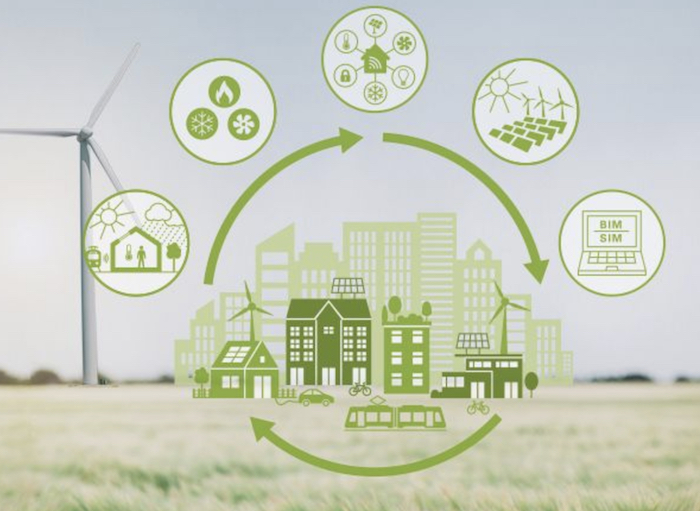
Am 11. Sept. 2023 (17:00 Uhr) widmet sich eine Expert*innenrunde – unter anderem mit der international renommierten Klimaforscherin Em.O.Univ.Prof. Dr.h.c. Helga Kromp-Kolb – in einer Podiumsdiskussion (.u.a. mit Dr. Sarah Nash von der UWK) Fragen der Klimakrise, mögliche, durch den Klimawandel verursachte Szenarien und ihren Konsequenzen daraus. Zentrale Frage dabei wird sein, ob oder wie weit wir bereits von einem möglichen, noch gangbaren Zielpfad abgerückt sind.
Die hybride Veranstaltung findet im SE C 3.07 an der UWK sowie online via ZOOM statt. Anmeldung und weitere Informationen hier.
Moderation: DI Markus Winkler (Lehrgangsleiter “Building Innovation, MEng”)
Organisiert wird die Veranstaltung vom Zentrum für Bauklimatik und Gebäudetechnik im Rahmen des Universitätslehrgangs „Building Innovation, MEng“.
Neue Publikation zu Verschwörungslegenden & Politischer Bildung
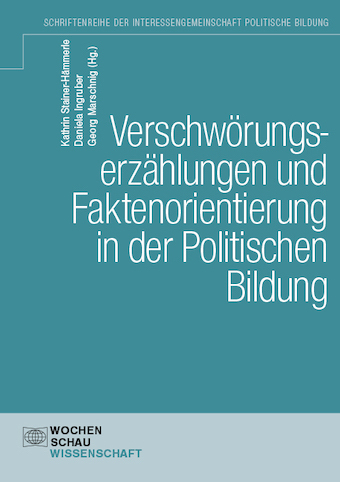
Mythen über vermeintliche Verschwörungen und Geheiminformationen sind nichts Neues, doch haben sie es im digitalen Medienzeitalter wesentlich leichter, sich nahezu unbegrenzt zu verbreiten und dadurch Meinungen zu verändern aber auch zu prägen, die dann wiederum Einfluss auf das demokratische Miteinander haben. Gerade Social Media sowie das Internet bieten viel Raum für jegliche Art un- oder halbwissenschaftlicher Erkenntnisse. Den Überblick zu bewahren, wird daher immer komplizierter. Politische Bildung soll Menschen befähigen, Informationen beurteilen und hinterfragen zu können, denn schnell zeigte sich in den vergangenen Jahren, dass nicht nur persönliche Beziehungen, sondern auch demokratische Institutionen ins Wanken geraten oder durch eine zunehmende Spaltung an Meinungen in der Öffentlichkeit gefährdet werden.
Welche Möglichkeiten für Aufklärung bieten sich in der Politischen Bildung an? Wie kann man im Unterricht aber auch am Stammtisch mit Halbwissen und Fakten umgehen? Wo verläuft in diesem Zusammenhang die Grenze zwischen legitimer Kritik an der bestehenden Wissensordnung und der gezielten Verbreitung von Desinformation? Und wie schafft man ein Klima in den Medien ebenso wie in der Gesellschaft, in dem unterschiedliche Meinungen gehört und wissenschaftliches Wissen weitergegeben werden können, ohne das in einer Demokratie notwendige Austragen von Kontroversen und Konflikten unnötig einzuschränken?
All diesen Fragen hat sich die 12. IGPB- Tagung gewidmet. Gemeinsam mit Daniela Ingruber (UWK) haben Kathrin Stainer-Hämmerle (FH Villach) und Georg Marschnig (Uni Wien) den Tagungsband zu diesem Thema herausgebracht, der Anfang Juni 2023 im Wochenschau Verlag erschienen ist.
Projekt zur nachhaltigen Gesundheitsversorgung
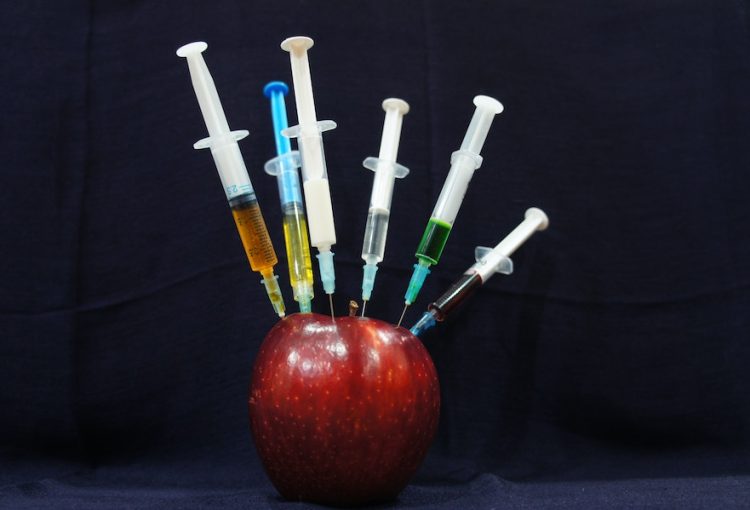
Im April 2023 hat an der Universität für Weiterbildung Krems ein neues fakultätsübergreifendes Projekt begonnen, das sich mit dem Thema „Nachhaltige Gesundheitsversorgung im Spannungsfeld zwischen Tradition und Evidenzbasierung“ beschäftigt.
Ziel der geplanten UWK-Forschungsgruppe ist es, sich dem noch wenig systematisch erforschten Zusammenhang zwischen evidenzbasierter Versorgung und der Nachhaltigkeit von Gesundheitsleistungen zu widmen. Es geht somit um die Frage, wie Nachhaltigkeit in die Qualitätsverbesserung der Gesundheitsversorgung integriert werden könnte. Das Projekt spannt dabei den Bogen von:
- der Identifikation nutzloser bzw. schädlicher Maßnahmen im Gesundheitsbereich
- deren ökonomische Bewertung im Sinne des „Nachhaltigkeitspotenzials“
- bis zur Herausforderung, sich bewusst auf gesellschaftlicher, organisationaler und individueller Ebene von veralteten geführten Denkmustern aus medizinischer, ökologischer und ökonomischer Sicht zu trennen (Unlearning).
Zusammengefasst geht es darum, die Ergebnisse möglichst praxisnah zusammenzufassen, damit Entscheidungsträger*innen im Bereich der Gesundheitsversorgung auf wissenschaftlich fundierte und unabhängige Informationen zurückgreifen können, um evidenzbasiert und nicht unbedingt traditionsbasiert zu handeln.
In einem Workshop sollen anschließend an die Forschungen und Analysen die Ergebnisse mit relevanten Stakeholdern diskutiert und mögliche Implementationsschwierigkeiten bei einem ausgewählten Fallbeispiel besprochen werden. So können die Handlungsoptionen angepasst an die vorherrschenden Verhaltensdeterminanten formuliert werden. So soll der Interaktionsprozess zwischen Forschung und Politik bzw. Entscheidungsträger*innen verbessert und mehr Verständnis für unterschiedliche Bedürfnisse entwickelt werden. Die Ergebnisse werden im Winter 2024/25 in einem Policy Paper dargestellt.
Eingereicht wurde das Projekt von Brigitte Piso (Dep. für Evidenbasierte Medizin und Evaluation) und Doris Behrens (Dep. für Wirtschaft und Gesundheit). Beteiligt sich mehrere weitere Departments aus den Fakultäten für Gesundheit und Medizin, Wirtschaft und Globalisierung sowie Bildung, Kunst und Architektur und weiters die Plattform für Nachhaltige Entwicklung (SDGs).
Foto: Sara Bakhshi auf Unsplash

Antony Gormleys „Horizon Field“ vor Wiederaufstellung?
Klima-Biennale Wien

Ausstellung „Liminal“ in Venedig

Blog-Vorstellung „DIE Frau sein“